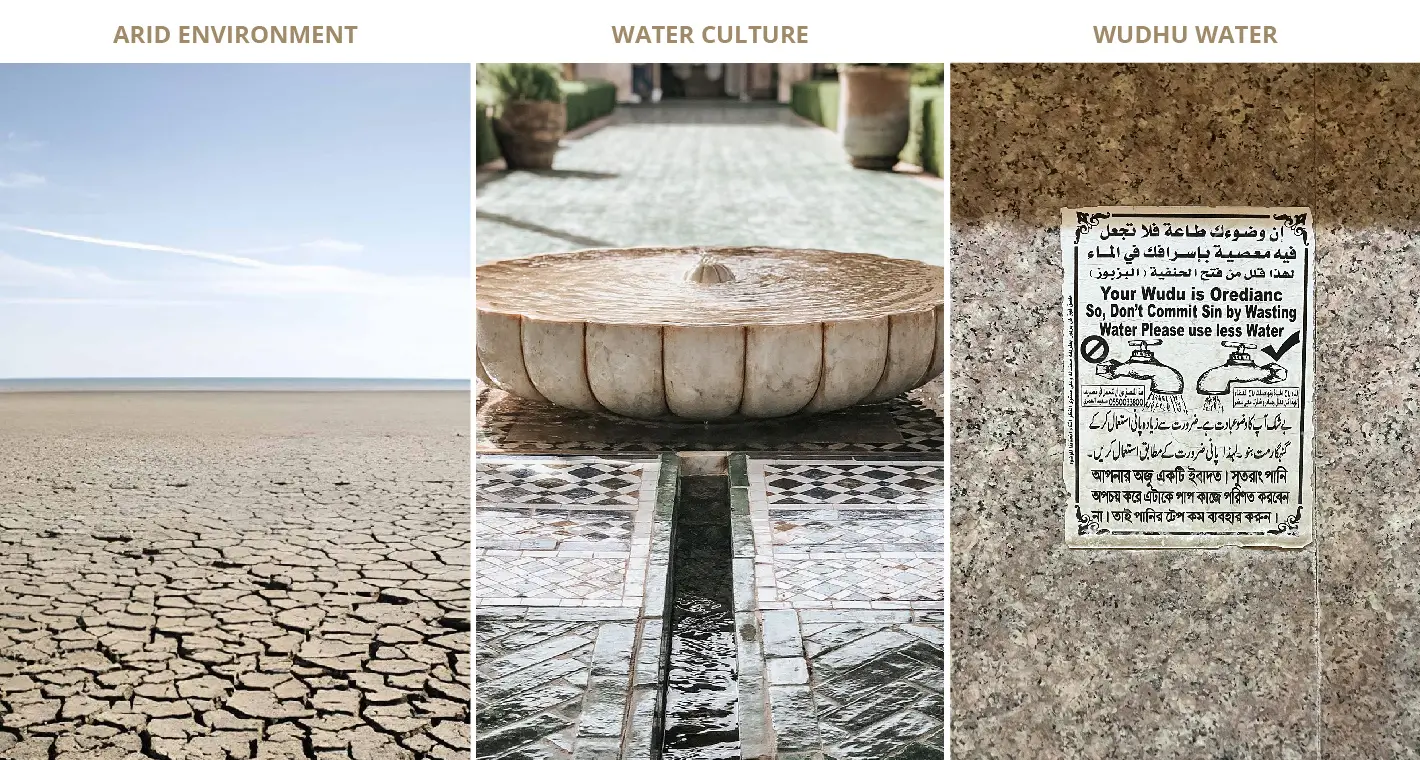
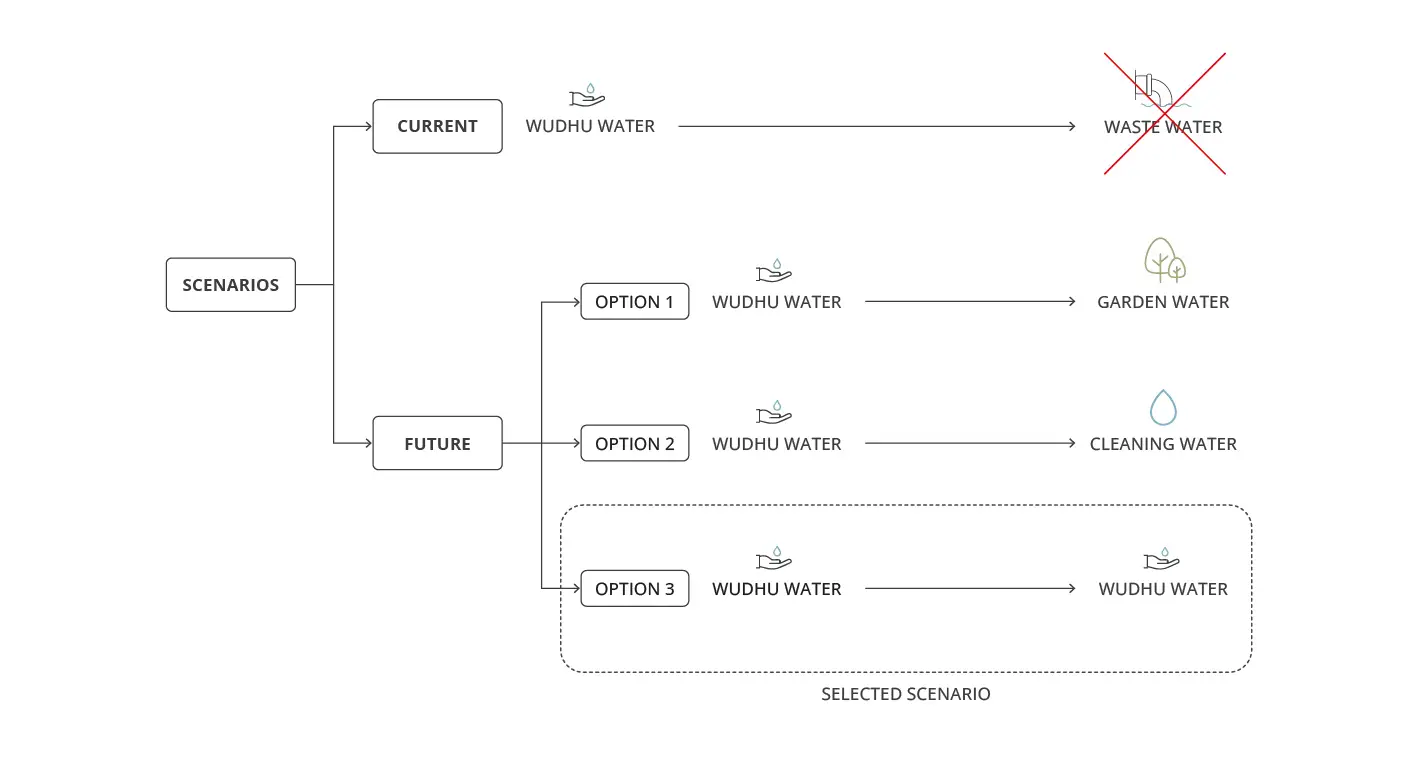
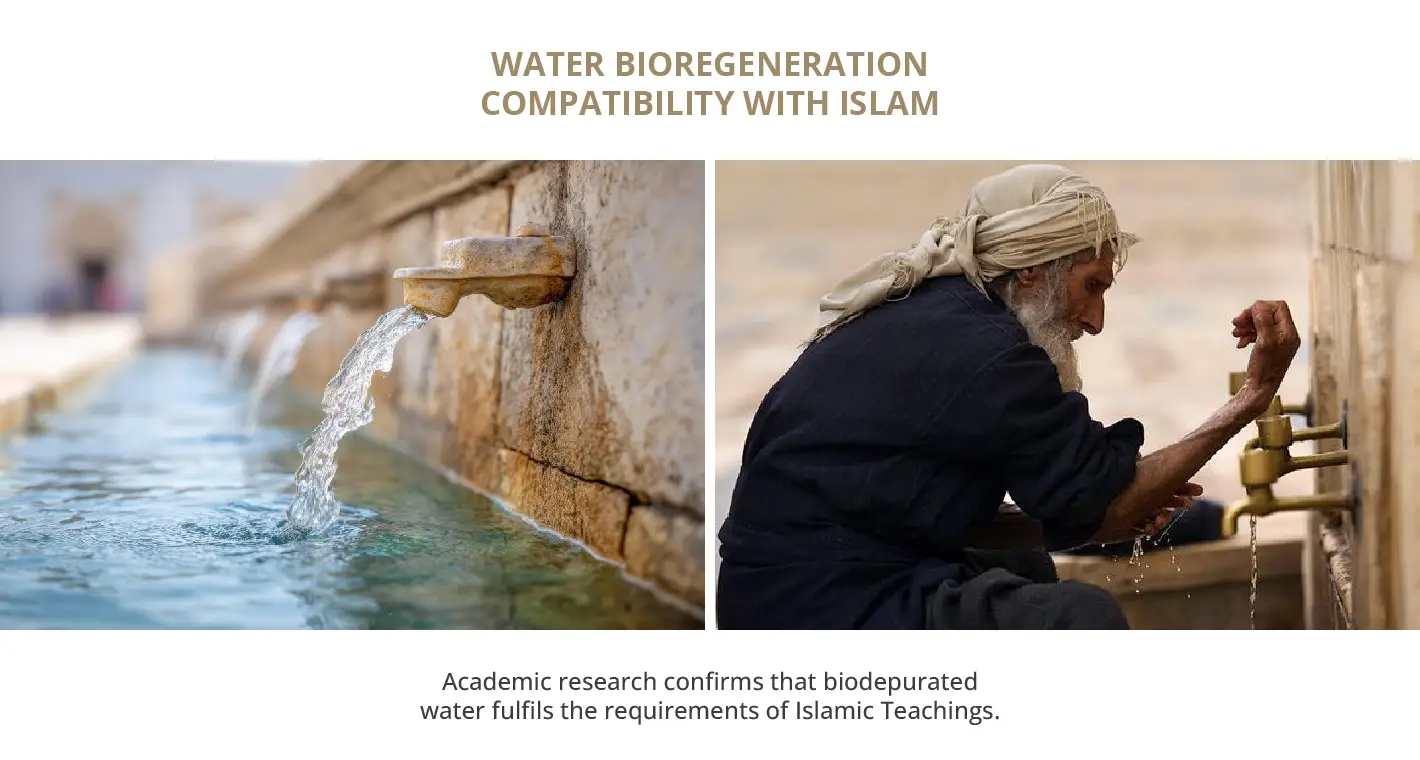
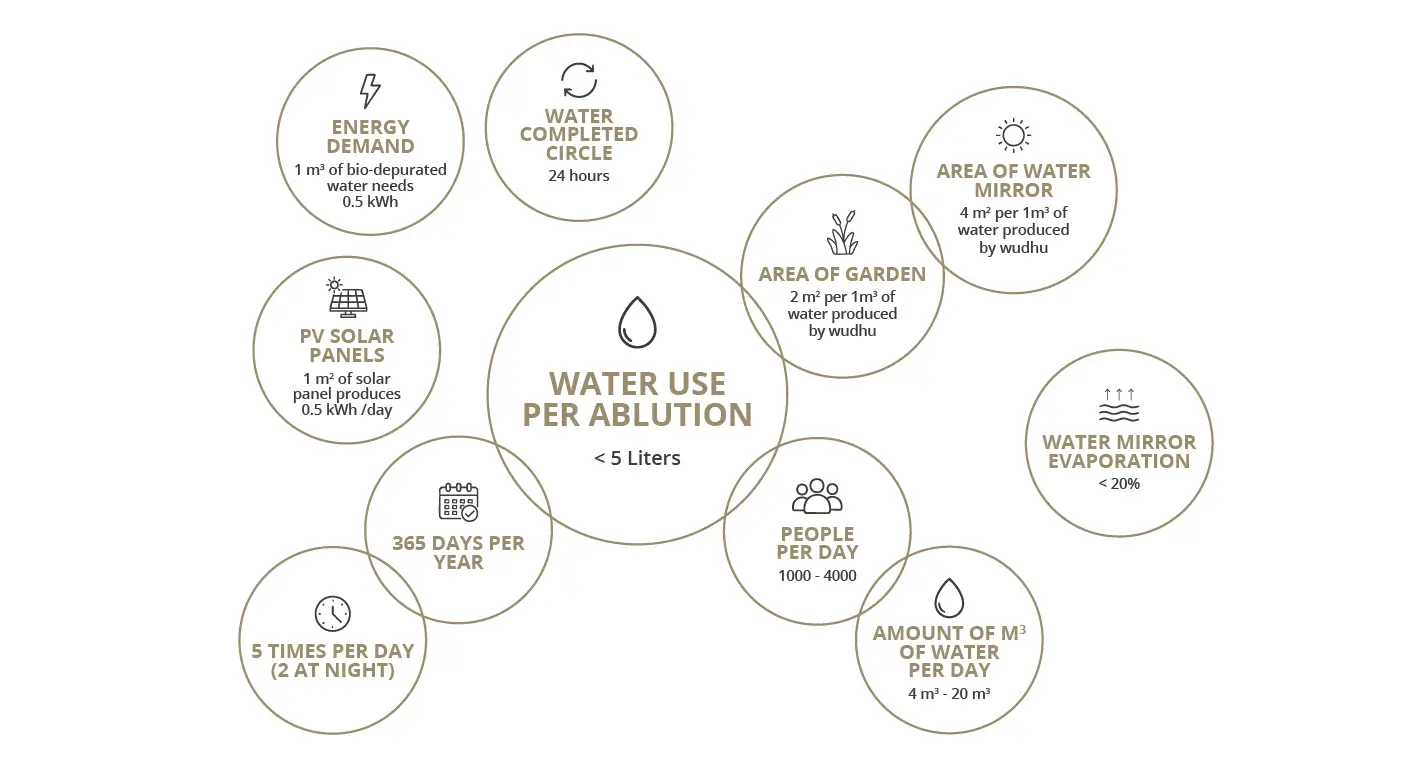

The project explores the role of water in mosques within the arid environment of Saudi Arabia, where water conservation is becoming increasingly important. The proposal focuses on the wudhu ritual, which uses approximately five litres of water per session and currently, in most cases, sends this water directly into the wastewater system.
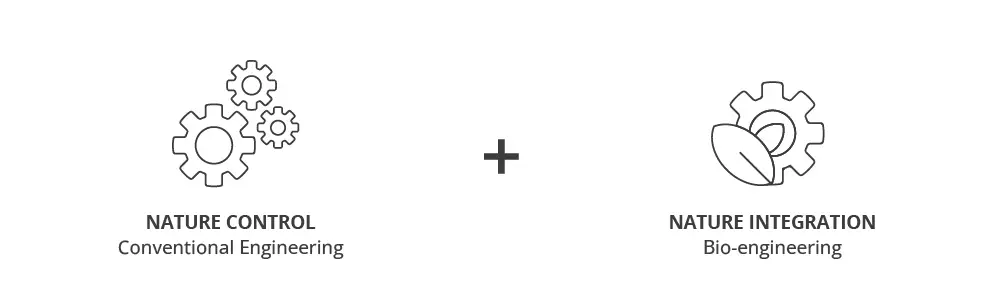
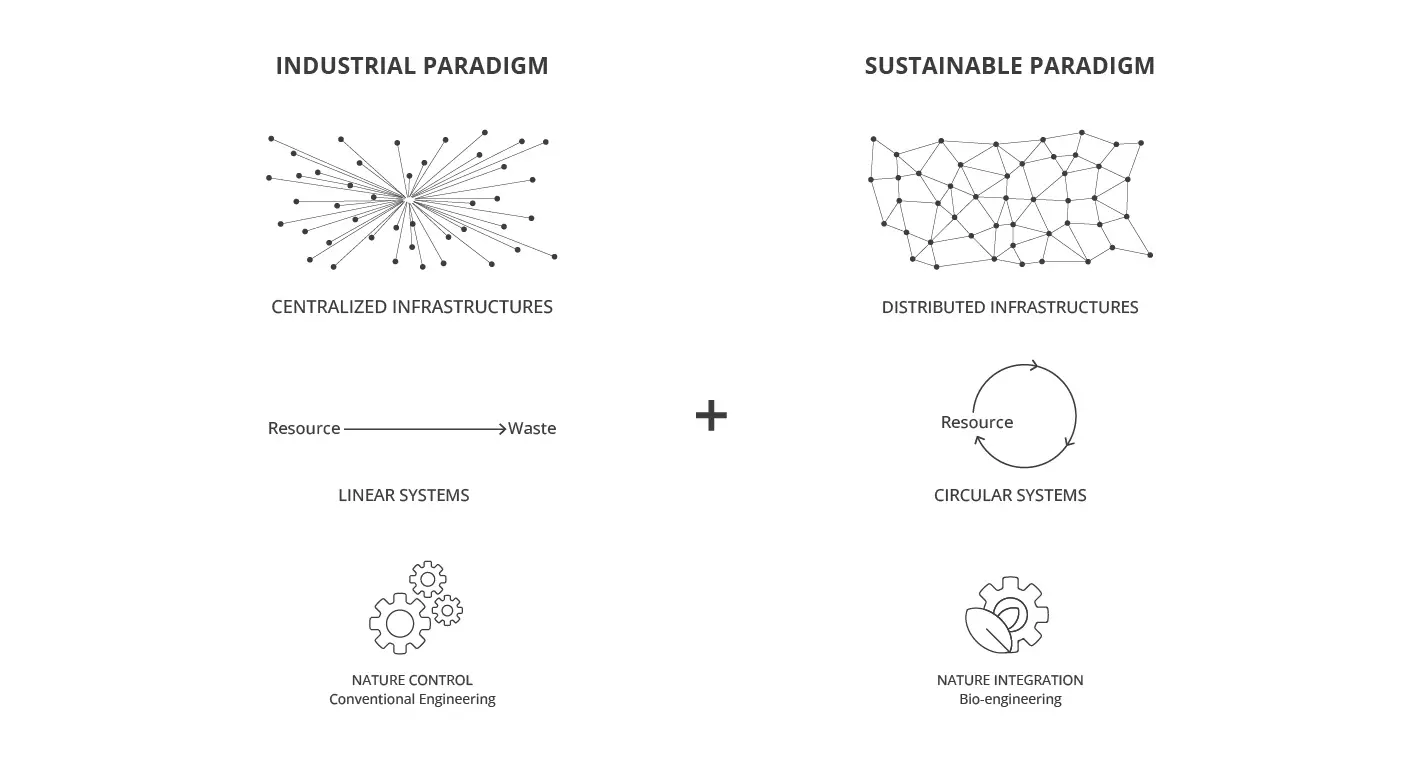
The proposal rethinks this process by moving from a linear system towards a circular one, where wudhu water is collected and treated locally through biodepuration and natural treatment processes. The project combines distributed infrastructure with a bioengineering approach, incorporating natural processes into the management of water rather than depending exclusively on centralised infrastructure.
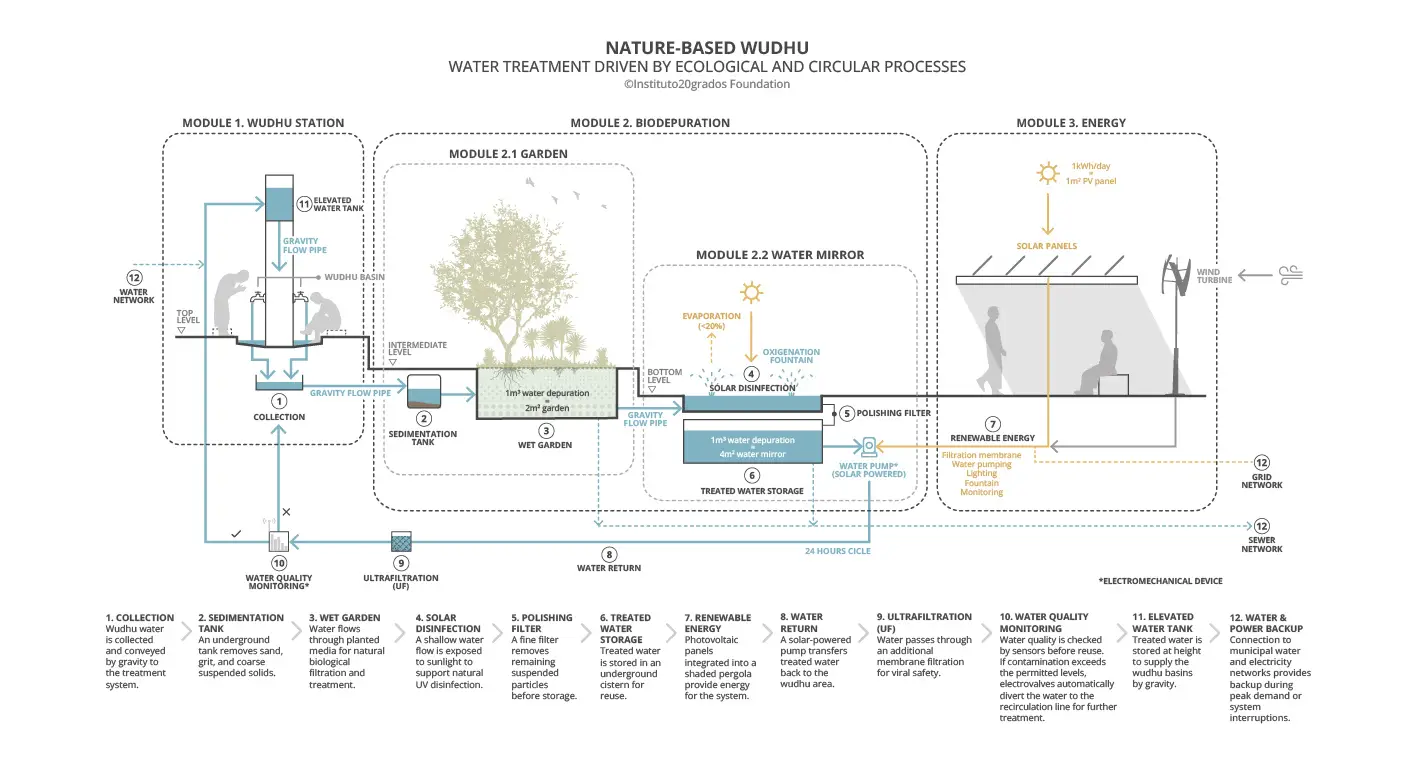
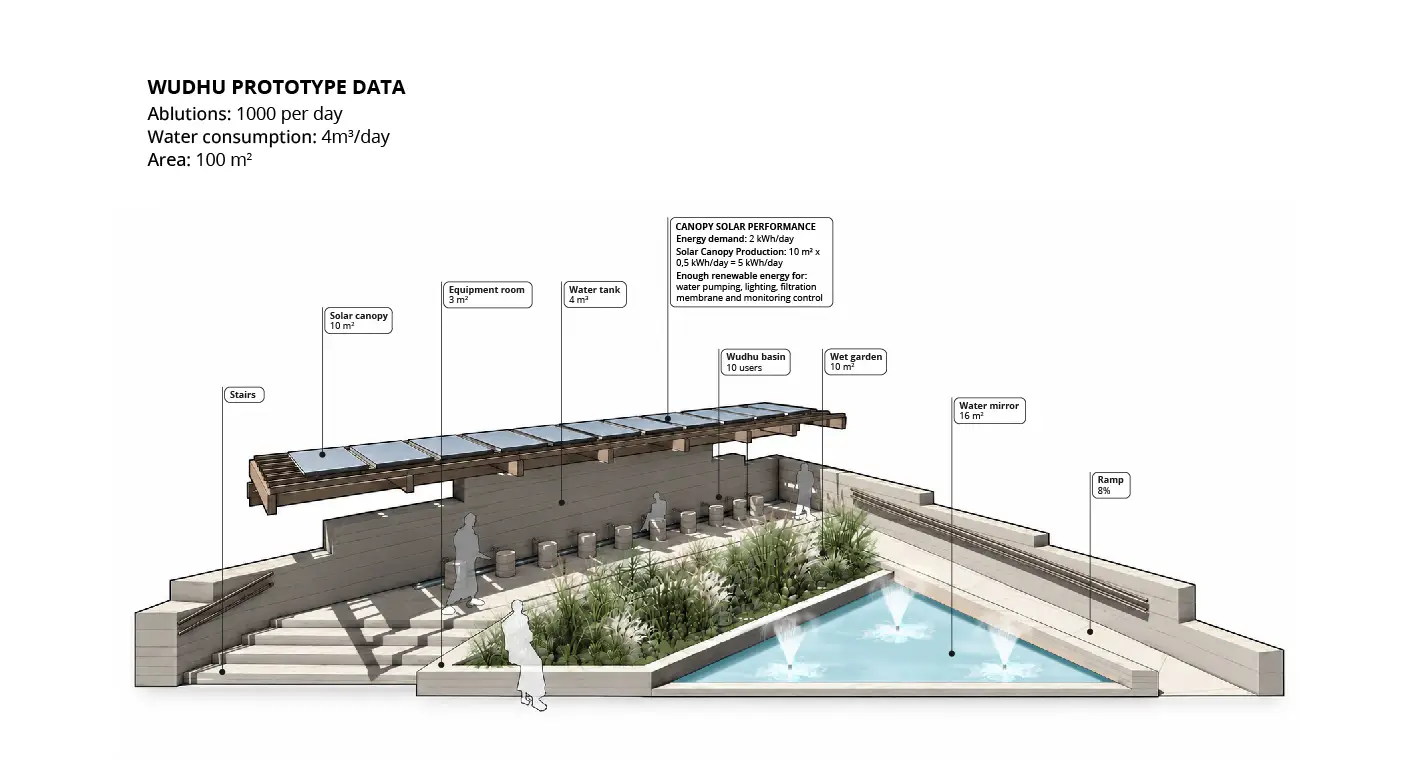
The system is organised into different modules. Water from the wudhu station flows by gravity into a sedimentation tank and then into a wet garden, where plants, roots, microbial biofilm and gravel layers contribute to the biodepuration process. The water then passes through solar disinfection and a polishing filter before reaching a storage tank. Solar panels provide the energy required to pump the treated water back into the system, while an elevated tank allows the final distribution to operate again by gravity.
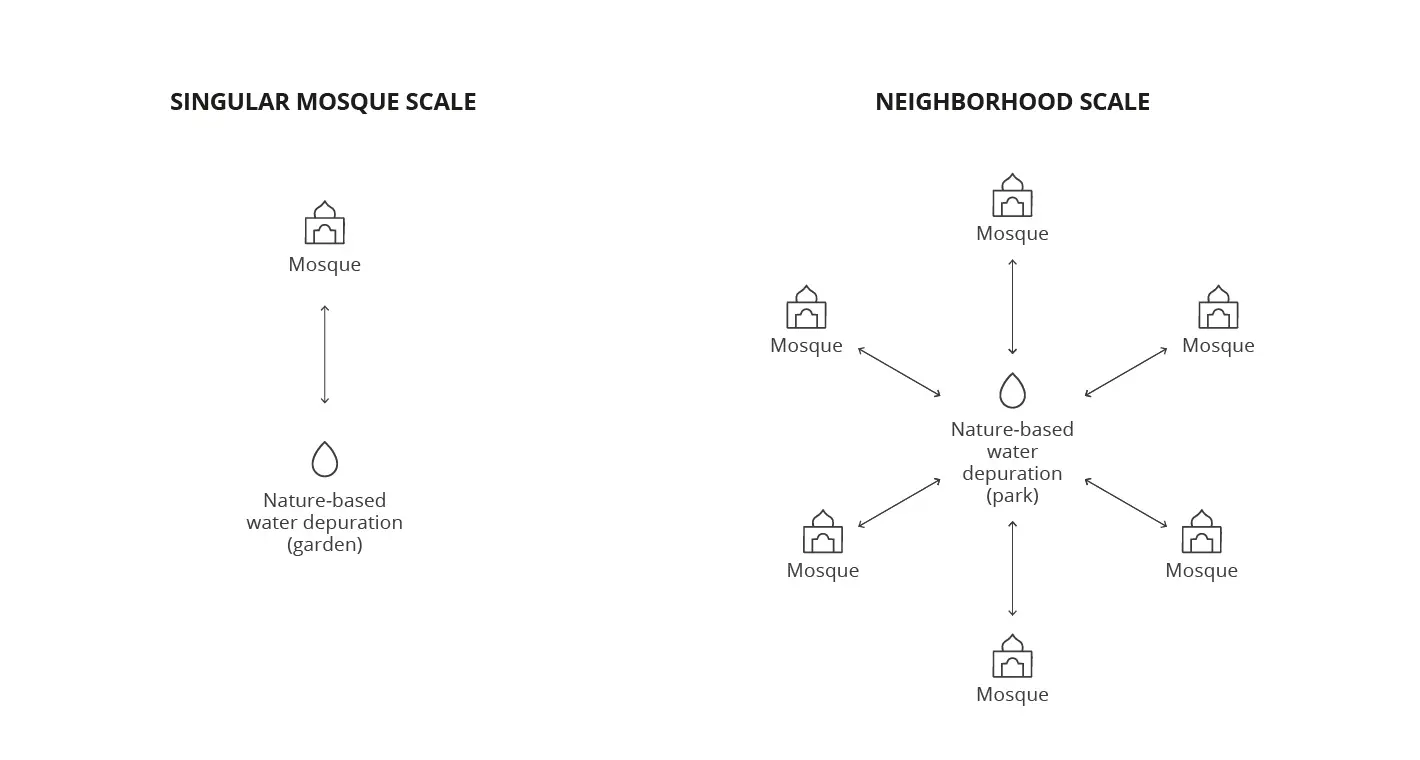
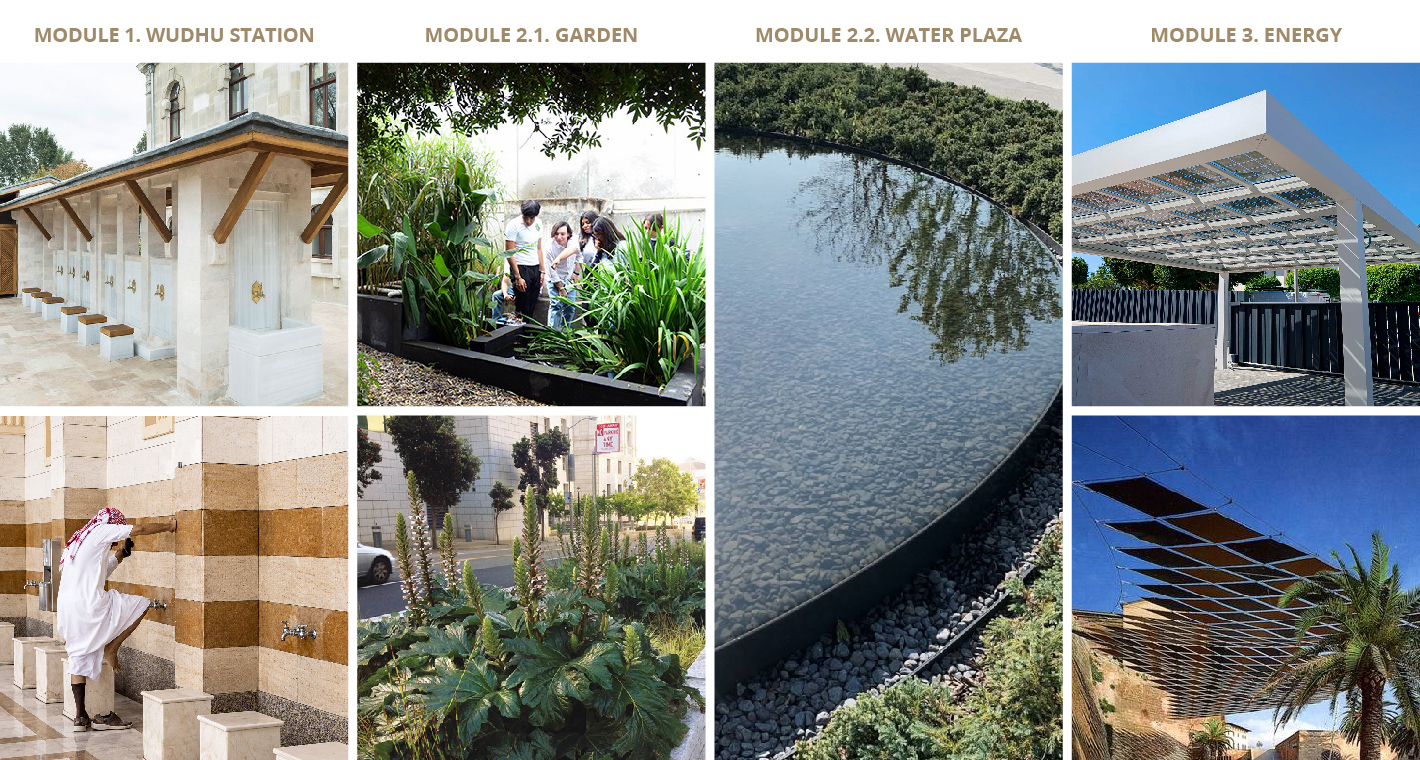
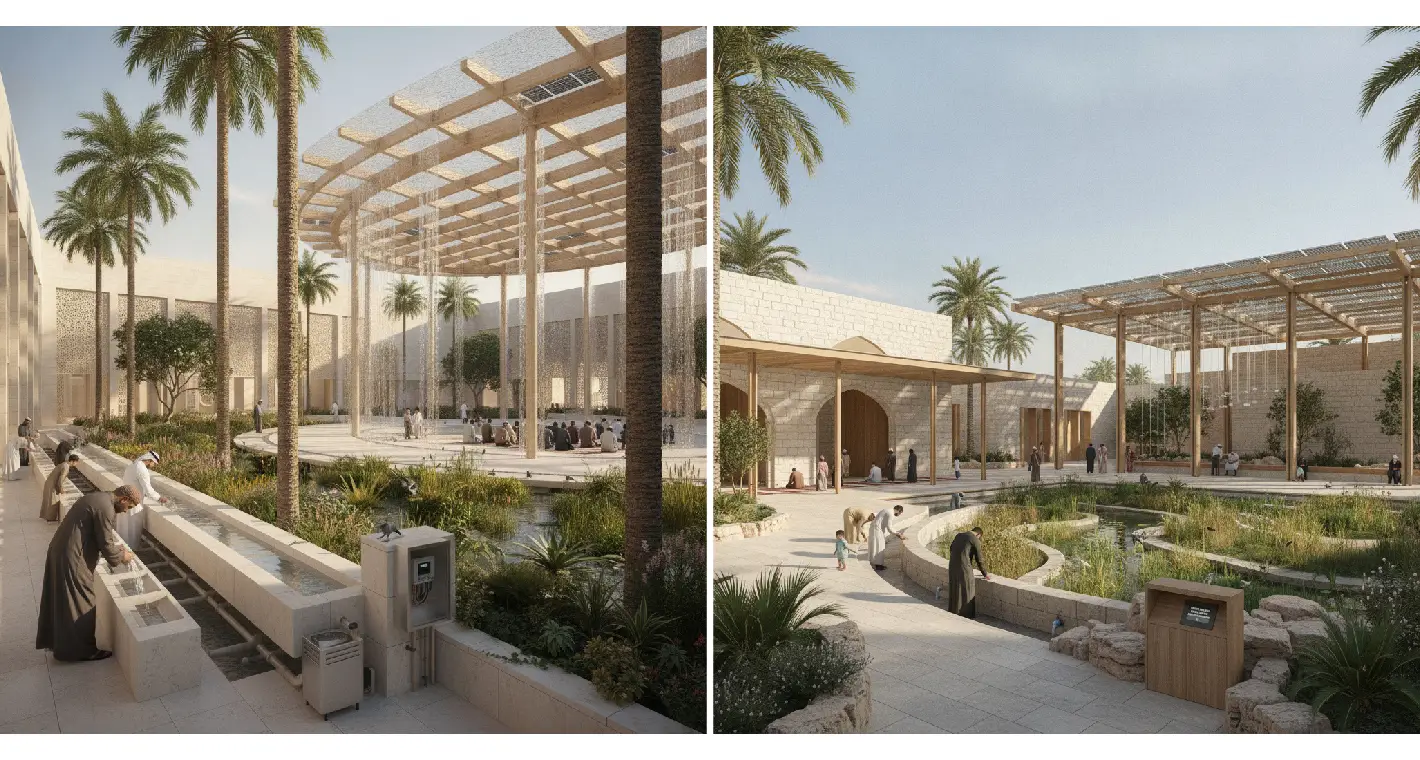
The different modules —wudhu station, wet garden, water mirror and solar canopy— can be arranged in linear, compact or modular configurations according to the scale and conditions of each mosque. The wet garden performs both as infrastructure and landscape, while the water mirror contributes to solar disinfection, oxygenation and decoration, and the canopy combines solar energy production with shade and gathering space.
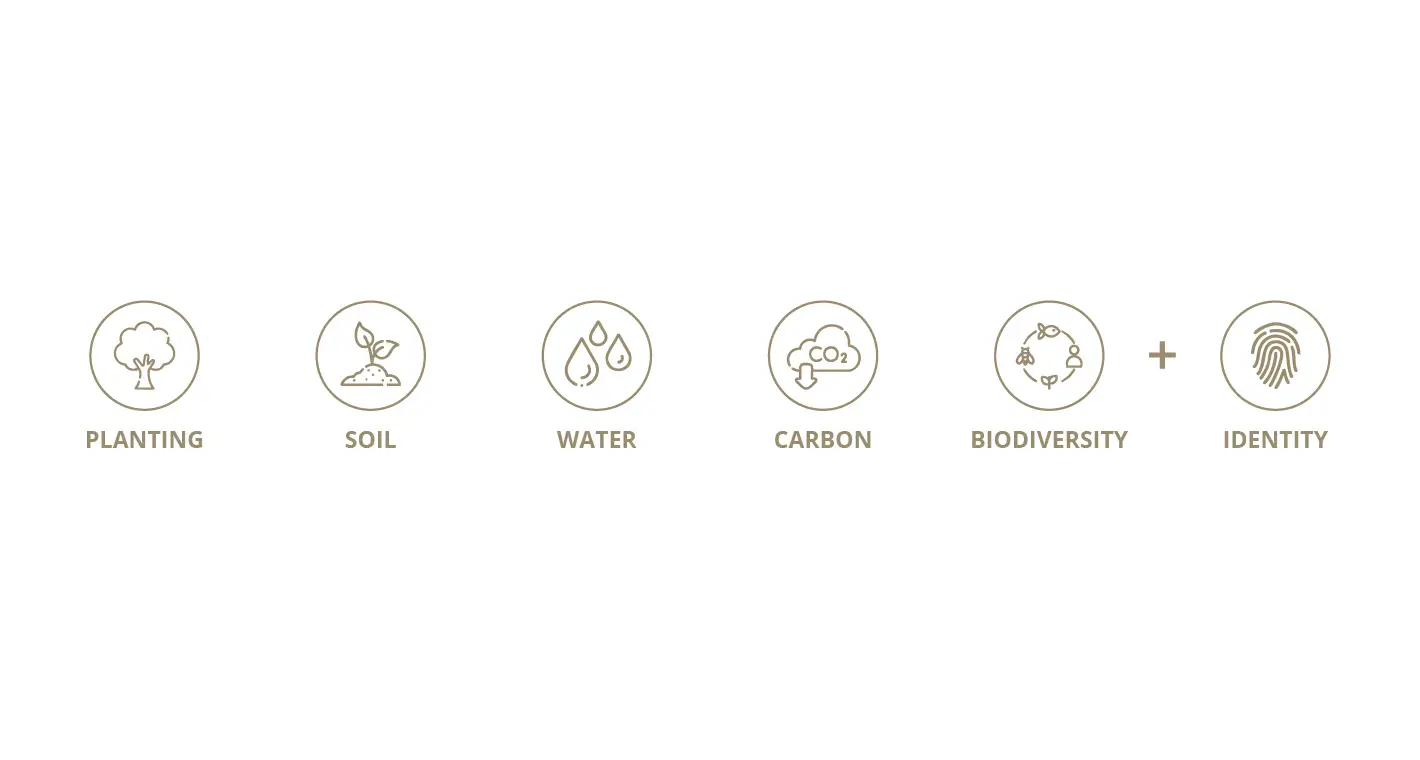
Developed as an applied research project, the proposal investigates how mosques can incorporate distributed infrastructure, circular systems and natural processes into their architecture and landscape. Beyond water conservation, the project considers planting enhancement, soil, biodiversity, carbon capture and oxygen release, while exploring how sustainable ways of inhabiting an arid territory can contribute to local identity.